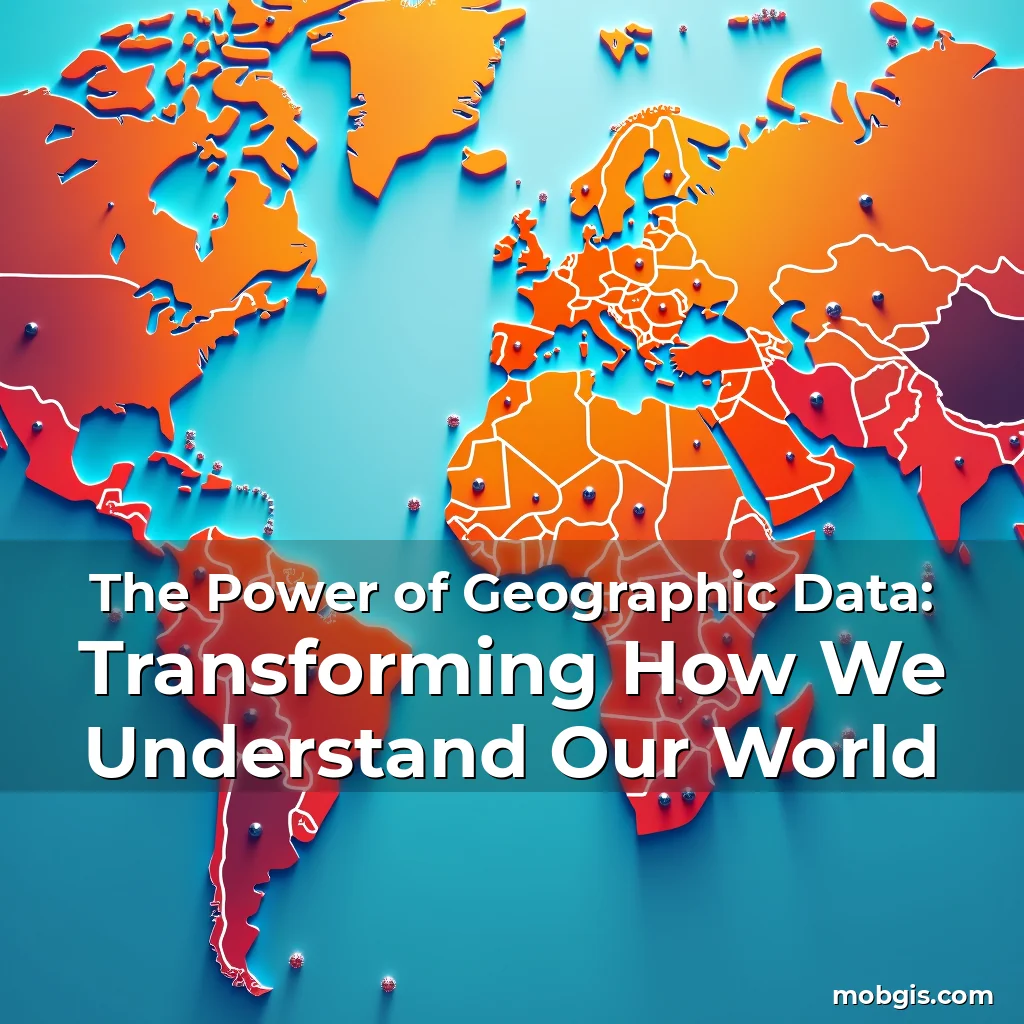
The Power of Geographic Data: Transforming How We Understand Our World
In an era where spatial awareness shapes everything from urban development to climate science, geographic data stands at the forefront of modern innovation. This form of data captures not just numbers but also the physical relationships between people, places, and environments.
From mapping ancient trade routes to predicting natural disasters through geospatial analysis, geographic data has evolved dramatically over centuries. Its impact spans across industries, offering insights that drive smarter decisions and sustainable practices worldwide.
Understanding Geographic Data Fundamentals
Geographic data refers to any information that includes location-based attributes. It encompasses coordinates, topography, population density maps, satellite imagery, and much more. These datasets are crucial for understanding patterns within our environment.
Data collection methods vary widely depending on the application. Traditional surveying techniques have been supplemented by advanced technologies such as GPS tracking systems and remote sensing satellites. Each method contributes uniquely to building accurate geographical models.
Differentiating Between Vector and Raster Formats:
Vector formats use points, lines, and polygons to represent real-world features digitally. They excel at maintaining precision regardless of scale changes. In contrast, raster formats consist of pixel grids representing continuous surfaces like elevation models or temperature distributions.
- Vector Data Advantages: Scalable without loss of quality; ideal for precise measurements and attribute storage
- Raster Data Benefits: Excellent for displaying continuous phenomena; supports complex modeling tasks
Selecting between these two types depends heavily on project requirements including accuracy needs, computational resources available, and intended end-use scenarios.
Applications Across Industries
The versatility of geographic data allows its integration into virtually every sector imaginable. Urban planners utilize GIS tools daily to optimize infrastructure layouts while environmental scientists monitor deforestation rates using high-resolution aerial photographs.
Agriculture benefits significantly too—farmers now employ precision agriculture techniques guided by soil moisture sensors combined with historical weather pattern analyses stored in geographic databases. This approach maximizes yield outputs sustainably.
Healthcare Innovations Through Spatial Analysis
Public health professionals leverage geographic information systems (GIS) to track disease outbreaks effectively. By overlaying infection hotspots onto demographic distribution layers, they can allocate medical resources efficiently during crises.
Recent studies show that regions utilizing geographically targeted interventions saw up to a 30% reduction in outbreak spread compared to those relying solely on general public announcements. Such outcomes highlight the importance of localized response strategies grounded in solid spatial analytics.
Emerging Technologies Shaping Future Directions
Advancements continue rapidly transforming how we collect, process, and apply geographic data globally. Artificial intelligence algorithms trained on vast geospatial datasets enhance predictive capabilities regarding everything from traffic congestion forecasts to potential wildfire zones.
Integration of Internet of Things (IoT) devices further expands possibilities—smart city initiatives equipped with thousands of interconnected sensors provide real-time feedback loops enabling dynamic adjustments based on current conditions rather than static plans alone.
AI-Powered Predictive Modeling Examples:
Municipalities employing AI-driven traffic prediction models experienced notable reductions in average commute times due to proactive route optimizations suggested automatically each morning before rush hour begins.
Similarly, coastal communities benefitting from early warning flood detection systems powered by machine learning reported fewer property damages following extreme rainfall events last year.
Ethical Considerations & Privacy Concerns
As access becomes easier and more widespread, ethical dilemmas surrounding privacy emerge increasingly relevant today. Personal location histories collected via mobile apps raise questions about consent mechanisms when sharing sensitive movement patterns publicly accessible online platforms.
Regulatory frameworks must evolve alongside technological progress ensuring responsible usage policies protect individuals’ rights against misuse of their personal whereabouts data harvested unknowingly through everyday digital interactions.
Challenges Faced in Utilizing Geographic Information Systems
Data inaccuracies pose significant hurdles even with sophisticated analytical tools available currently. Inconsistent measurement standards among different sources often lead to conflicting interpretations potentially undermining decision-making processes reliant upon them.
Additionally, there exists considerable variation in dataset availability across various geographic regions affecting research validity unless standardized protocols exist universally applicable irrespective of local differences present naturally within Earth’s diverse landscapes.
Bridging Knowledge Gaps Within Communities
To fully harness the power embedded within geographic datasets requires fostering inclusive participation among stakeholders involved—from policymakers down to grassroots organizations working locally towards common goals related sustainability efforts or disaster preparedness measures alike.
Cross-disciplinary collaboration proves essential here; combining expertise from fields ranging from computer engineering right through social sciences ensures holistic approaches addressing multifaceted challenges arising inevitably whenever dealing comprehensively with spatially referenced problems requiring nuanced solutions tailored specifically according to contextual factors prevailing onsite situations encountered firsthand.
Future Outlook And Opportunities Ahead
Looking forward, continued investment into expanding both hardware capabilities supporting better resolution imaging technologies along side software innovations capable handling larger volumes efficiently promises exciting developments ahead especially concerning aspects previously deemed impractical owing limitations inherent traditional methodologies employed earlier decades ago.
With growing global emphasis placed squarely upon achieving net zero emissions targets soonest possible timeframe achievable realistically under existing constraints imposed externally plus internally generated pressures stemming primarily from escalating climate change impacts manifesting visibly everywhere around us nowdays;
This presents unprecedented opportunities particularly focused areas ripe for exploration namely renewable energy site selection optimization projects leveraging latest generation photovoltaic panel efficiency ratings mapped precisely against optimal sunlight exposure locations identified accurately through high fidelity solar irradiance estimation algorithms integrated seamlessly within broader geo-scientific workflow architectures being developed actively across academia-industry partnerships established recently few years back.
Conclusion
Geographic data serves as foundational element empowering informed choices impacting lives positively wherever applied appropriately mindful always respecting boundaries defined ethically sound principles guiding usage responsibly.
By embracing emerging trends cautiously yet eagerly, society moves steadily toward future characterized greater equity accessibility enhanced resilience built upon shared knowledge cultivated collaboratively amongst varied participants contributing valuably overall ecosystem thriving continuously evolving dynamically responding flexibly changing circumstances faced collectively humanity united purpose advancing collective well-being planet wide.