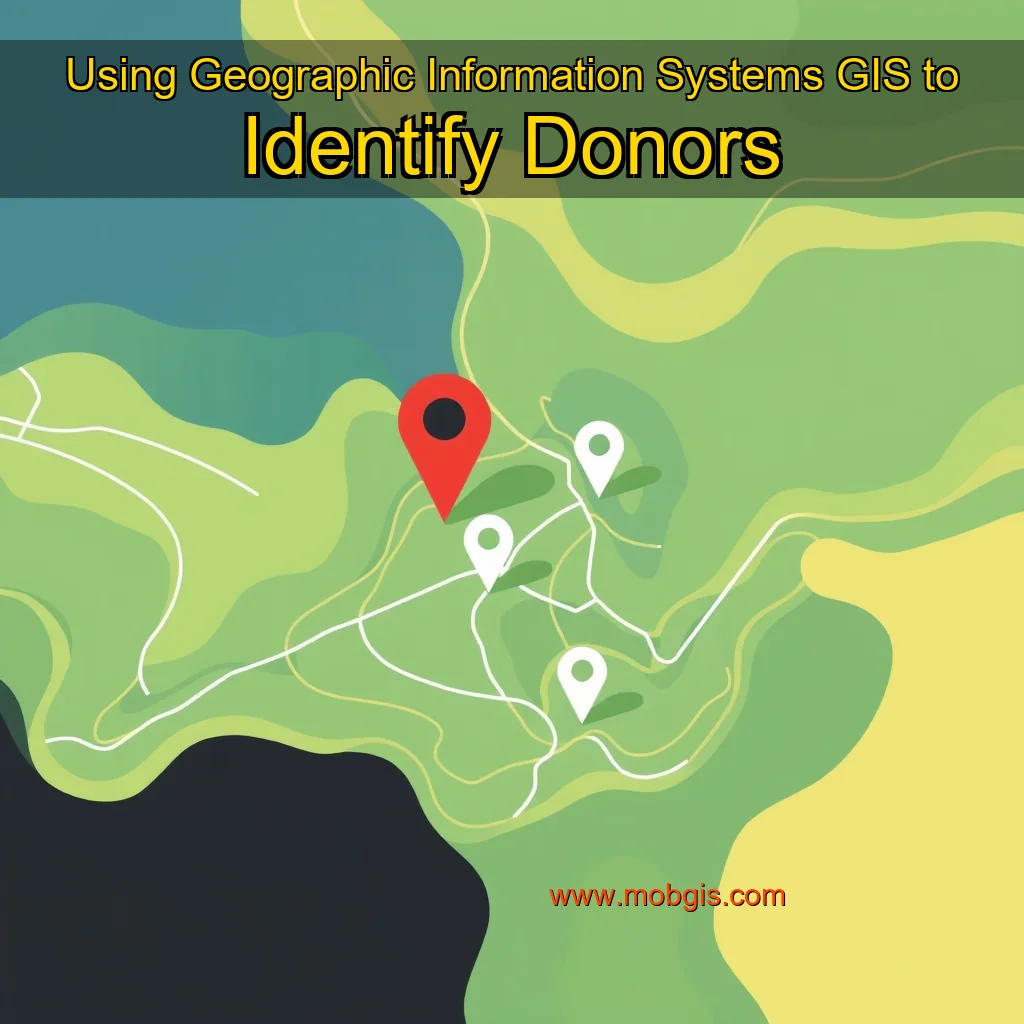
In this article, we will delve into the world of GIS, exploring its applications, benefits, and the skills required to harness its potential.
Understanding GIS
What is GIS? GIS is a computer-based tool that enables users to capture, store, analyze, and display geographically referenced data.
This can help nonprofits pinpoint specific locations where their target audience is most likely to reside.
Understanding the Power of GIS in Donor Identification
The Limitations of Traditional Methods
Traditional methods of identifying potential donors often rely on broad demographic data, such as age, income, and education level. While these factors can provide some insight into a donor’s potential, they are often too general to pinpoint specific individuals.
This can help them tailor their fundraising strategies to better meet the needs of their target audience.
Understanding the Power of GIS in Nonprofit Fundraising
The Importance of Aligning Mission and Donor Interests
Nonprofits often struggle to find the right balance between their mission and the interests of potential donors. A well-planned fundraising strategy can help bridge this gap, but it requires a deep understanding of the donor base. GIS technology can play a crucial role in this process by providing a visual representation of existing donor bases and demographic information.
Mapping Donor Bases and Identifying Gaps
Tailoring Fundraising Strategies
This targeted approach can increase fundraising efficiency and effectiveness.
Leveraging GIS for Fundraising
Nonprofits have long relied on traditional fundraising methods, such as direct mail and events, to reach their target audiences.
This can help nonprofits tailor their fundraising strategies to better resonate with their target audience.
Understanding the Power of GIS for Nonprofits
Nonprofits have long relied on traditional methods of data analysis, such as spreadsheets and statistical software, to inform their fundraising strategies.
Mapping the Impact of Philanthropy
Nonprofits often struggle to measure the effectiveness of their philanthropic efforts. GIS technology can help bridge this gap by providing a visual representation of the data. This allows organizations to identify patterns and trends that may not be immediately apparent through traditional methods.
The Power of Visualization
GIS enables nonprofits to create interactive maps that showcase the impact of their philanthropy.
This approach can increase engagement and build stronger relationships with donors who are more likely to be invested in the cause.
Understanding the Power of Geographic Data
Geographic data has become an essential tool for organizations seeking to tailor their communication strategies to specific demographics. By analyzing geographic data, organizations can identify patterns and trends that inform their marketing and outreach efforts.
The Power of GIS in Environmental Conservation
The use of Geographic Information Systems (GIS) in environmental conservation has become increasingly popular in recent years. One notable example is an environmental nonprofit organization that utilized GIS to map areas affected by climate change. By leveraging the power of GIS, the organization was able to identify potential donors who had previously funded environmental projects in similar regions.
Mapping Vulnerable Ecosystems
The nonprofit organization began by overlaying data on vulnerable ecosystems with information about local philanthropic activity. This involved using GIS software to combine data from various sources, including satellite imagery, climate models, and philanthropic databases.
Harnessing the Power of GIS for Donor Identification and Fundraising Success.
GIS for Donor Identification: A Double-Edged Sword
Donor identification is a crucial aspect of nonprofit fundraising, as it enables organizations to tailor their appeals and stewardship efforts to specific groups. Geographic Information Systems (GIS) has emerged as a powerful tool in this process, offering a range of benefits and drawbacks. In this article, we will delve into the advantages and challenges of using GIS for donor identification, exploring the potential of this technology to enhance nonprofit fundraising efforts.
The Advantages of GIS for Donor Identification
GIS offers several advantages for donor identification, including:
The Challenges and Limitations of GIS for Donor Identification
Despite the advantages of GIS, there are also several challenges and limitations that nonprofits must navigate. Some of these include:
This includes learning how to create maps, analyze data, and integrate data from various sources. Training should be ongoing, as GIS technology is constantly evolving.
Understanding the Power of GIS for Donor Identification
The Importance of GIS in Nonprofit Fundraising
Geographic Information Systems (GIS) has become an essential tool for nonprofits in donor identification and fundraising. GIS allows nonprofits to analyze and visualize data, making it easier to identify patterns and trends that can inform their fundraising strategies. By leveraging GIS, nonprofits can create targeted campaigns that reach specific demographics, increasing the likelihood of securing donations.
Key Benefits of GIS for Donor Identification
Here are some ways that nonprofits can leverage GIS to improve their donor identification and engagement efforts.
Understanding the Power of GIS
Geographic Information Systems (GIS) is a powerful tool that allows nonprofits to analyze and visualize data in a spatial context. By combining geographic data with demographic and socioeconomic data, nonprofits can gain a deeper understanding of their donors and the communities they serve.