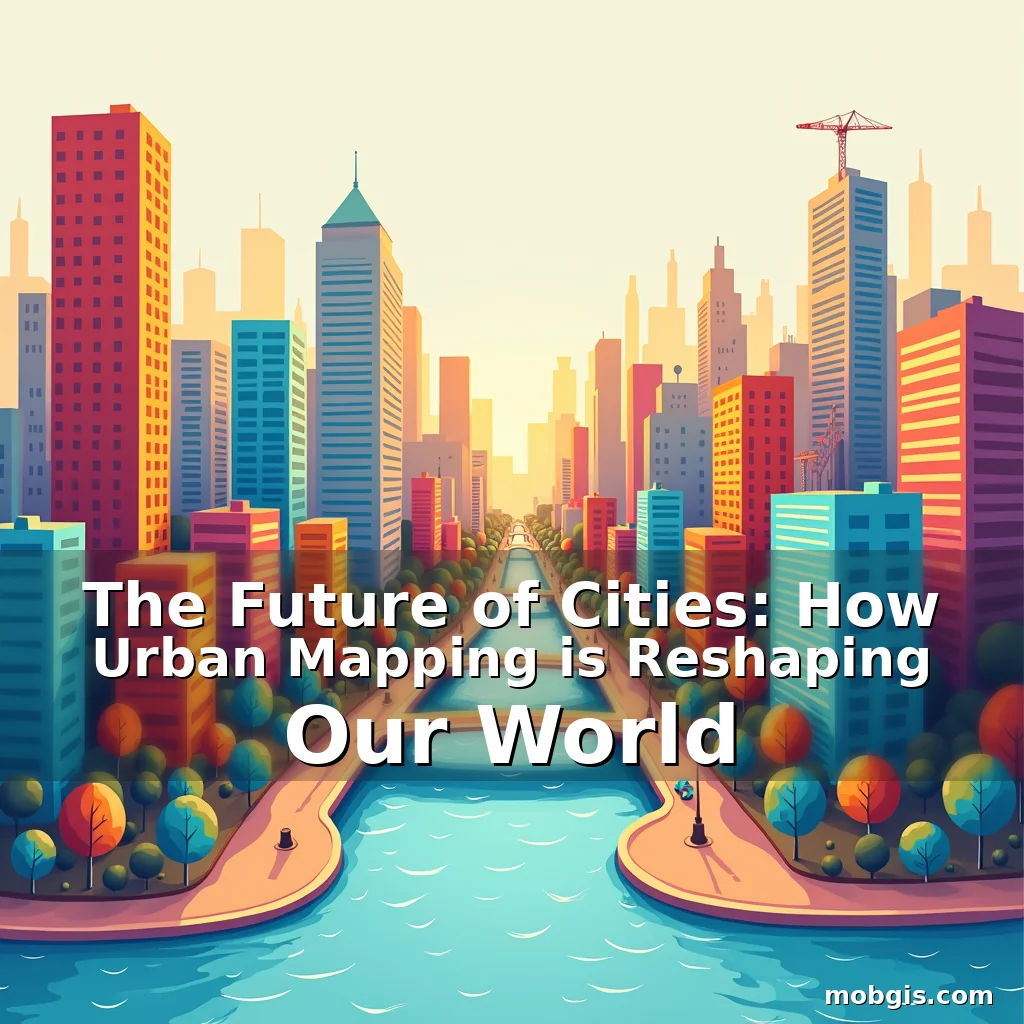
The Future of Cities: How Urban Mapping is Reshaping Our World
In an era where cities are expanding at unprecedented rates, understanding their intricate layouts has never been more crucial. Urban mapping serves as the backbone for smart city development, disaster response, transportation optimization, and sustainable growth.
This dynamic field blends geography, technology, and data science to create interactive representations of our urban environments. These maps are far from static; they evolve continuously as new information becomes available through sensors, satellites, and citizen contributions.
What Exactly Is Urban Mapping?
Urban mapping refers to the process of collecting, analyzing, and visualizing spatial data related to cities. This includes everything from road networks and building footprints to population density patterns and environmental factors.
Modern techniques involve using Geographic Information Systems (GIS), remote sensing technologies, and crowdsourced data platforms. The goal is always twofold: to understand current conditions and predict future scenarios accurately.
- Data Sources: Satellite imagery provides high-resolution views of land cover changes over time. LiDAR scans offer precise three-dimensional models of urban structures.
- Technological Tools: GIS software allows planners to overlay different datasets such as traffic flow, crime statistics, and utility lines onto a single map interface.
Applications Across Industries
Transportation authorities rely heavily on accurate urban maps for route planning, infrastructure maintenance, and real-time traffic monitoring systems. In emergency situations, these maps enable first responders to navigate complex urban landscapes efficiently.
Hospitals use location-based analytics derived from urban mapping to optimize ambulance routing during crises. Real estate developers analyze zoning laws and property values using mapped data before making investment decisions.
For instance, ride-sharing companies utilize heatmaps generated by urban mapping tools to identify areas with high demand for services during peak hours.
Sustainable Development Through Smart Mapping
Smart cities leverage advanced mapping capabilities to monitor energy consumption patterns across districts. By identifying inefficient usage zones, municipalities can implement targeted conservation measures effectively.
Parks and green spaces play vital roles in urban ecosystems. Detailed vegetation coverage maps help officials determine which areas need replanting or expansion efforts based on ecological needs rather than arbitrary choices.
A study conducted in Barcelona showed that integrating tree canopy coverage data into urban planning reduced local temperatures by up to 2°C during summer months.
The Role of Citizens in Modern Urban Mapping
Crowdsourcing initiatives have revolutionized how we gather geographic information today. Platforms like OpenStreetMap allow individuals worldwide to contribute updates about street names, public amenities, and even sidewalk conditions.
Municipalities increasingly encourage resident participation through mobile apps that let citizens report potholes, graffiti issues, or broken streetlights instantly. This participatory approach ensures maps remain current without relying solely on official sources.
During natural disasters, user-generated content often fills critical gaps left behind by traditional surveillance methods. Social media feeds become invaluable resources when conventional communication channels fail.
Challenges Facing Contemporary Urban Mappers
One significant challenge lies in maintaining consistent data quality across diverse regions. Developing countries may lack standardized measurement practices compared to industrialized nations with well-established survey protocols.
Privacy concerns also arise whenever personal movement data gets integrated into broader municipal datasets. Balancing transparency requirements against individual privacy rights remains an ongoing debate among policymakers.
Data interoperability presents another hurdle since various organizations still use incompatible formats for storing geospatial information. Establishing universal standards could streamline collaboration between departments significantly.
Evolving Technologies Shaping Tomorrow’s Maps
Drones equipped with multispectral cameras now capture detailed aerial images faster than ever before while minimizing human intervention risks. These unmanned vehicles provide fresh perspectives unattainable via satellite alone.
Artificial intelligence algorithms enhance image recognition capabilities allowing automated identification of features like buildings, roads, and water bodies within captured footage quickly and accurately.
Augmented reality interfaces promise immersive experiences where users interact directly with layered digital overlays superimposed upon physical surroundings through specialized headsets or smartphones.
Bridging Gaps Between Stakeholders
Effective implementation requires close coordination among government agencies, private sector entities, academic institutions, and grassroots communities working towards common goals.
Public-private partnerships facilitate resource sharing opportunities enabling innovative projects otherwise impossible due to budget constraints faced individually by either party involved.
Academic research contributes theoretical frameworks guiding practical applications ensuring solutions developed align closely with scientific principles governing urban dynamics.
Towards More Equitable City Planning
Historically marginalized neighborhoods frequently receive less attention regarding infrastructural improvements despite facing greater challenges related to safety, accessibility, and basic necessities access.
Mapping initiatives focused explicitly on underrepresented groups highlight disparities invisible within aggregated statistical reports. Such granular-level analyses reveal systemic inequalities requiring immediate corrective actions.
An initiative launched in Nairobi used participatory mapping exercises involving residents living near informal settlements resulting in improved waste management strategies tailored specifically to those communities’ needs.
Conclusion
As demonstrated throughout this exploration, urban mapping stands at the intersection of innovation and necessity driving forward progress toward smarter, safer, and more inclusive cities globally.
To fully harness its potential benefits, stakeholders must prioritize continuous learning, open collaboration, and ethical considerations surrounding data collection and utilization processes moving ahead.