The program is designed to support the development of a more sustainable and resilient future for the country.
Program Overview
The ELVE8PH Program is a comprehensive initiative that seeks to bridge the gap between technology and society.
Harnessing the Power of Quantum Computing to Unlock New Frontiers in Information Processing and Communication.
The Rise of Quantum Computing Technology
Quantum Computing Technology is a rapidly evolving field that seeks to revolutionize the way we process information. Unlike traditional computers, which rely on classical bits to store and process data, quantum computers use quantum bits or qubits. These qubits can exist in multiple states simultaneously, allowing for exponentially faster processing times.
Key Features of Quantum Computing Technology
The GATES Hub will be a collaborative effort between the DOST-Philippine Council for Health Research and the University of the Philippines College of Public Health.
The GATES Hub: A Collaborative Effort for Health Research
The GATES Hub is a groundbreaking initiative that brings together the Philippine Council for Health Research and the University of the Philippines College of Public Health to tackle the pressing issue of health research in the country. The hub is designed to be a collaborative effort, fostering a spirit of innovation and cooperation among its partners.
Key Objectives
The Benefits of Geospatial Data in Health Research
Geospatial data has revolutionized the way health research is conducted, providing valuable insights into the distribution of diseases and health outcomes across different regions and localities. The GATES Hub aims to harness the power of geospatial data to improve health research in the Philippines. Improved disease surveillance: Geospatial data can help identify areas with high disease prevalence, enabling targeted interventions and resource allocation. Enhanced health outcomes: By analyzing geospatial data, researchers can identify patterns and trends that inform the development of effective health interventions.
Reducing waste and promoting sustainable development through a circular economy.
Each branch is responsible for a specific area of focus, such as waste management, resource recovery, and sustainable manufacturing.
The Vision of a Circular Economy
A Circular Economy is a concept that aims to reduce waste and promote sustainable development. The program is designed to provide a sustainable future for the country, while protecting the environment and conserving natural resources.
Key Objectives
Focus Areas
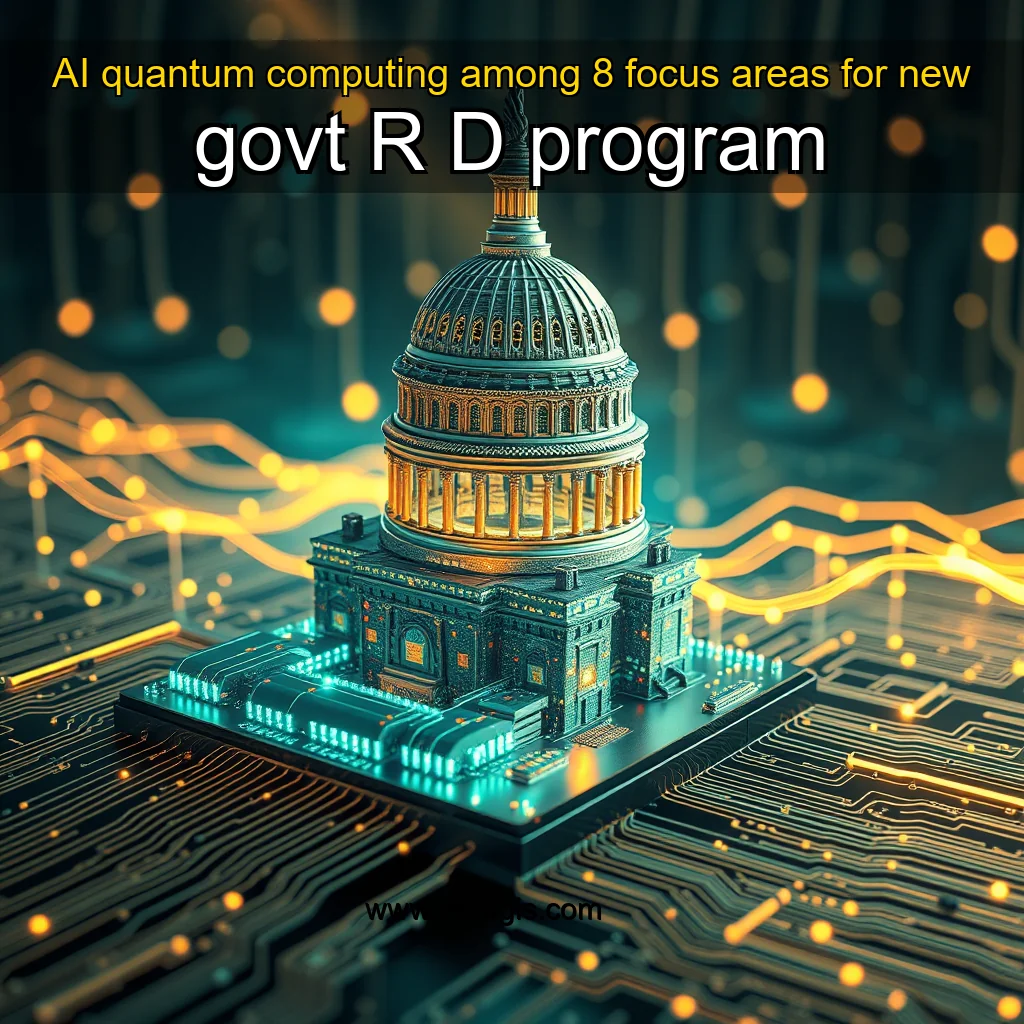
The program is divided into eight focus areas, each handled by a different DOST branch. These focus areas include:
Implementation Strategy
The program is implemented through a combination of government support, private sector involvement, and community engagement. The government provides funding and resources, while the private sector provides expertise and technology.