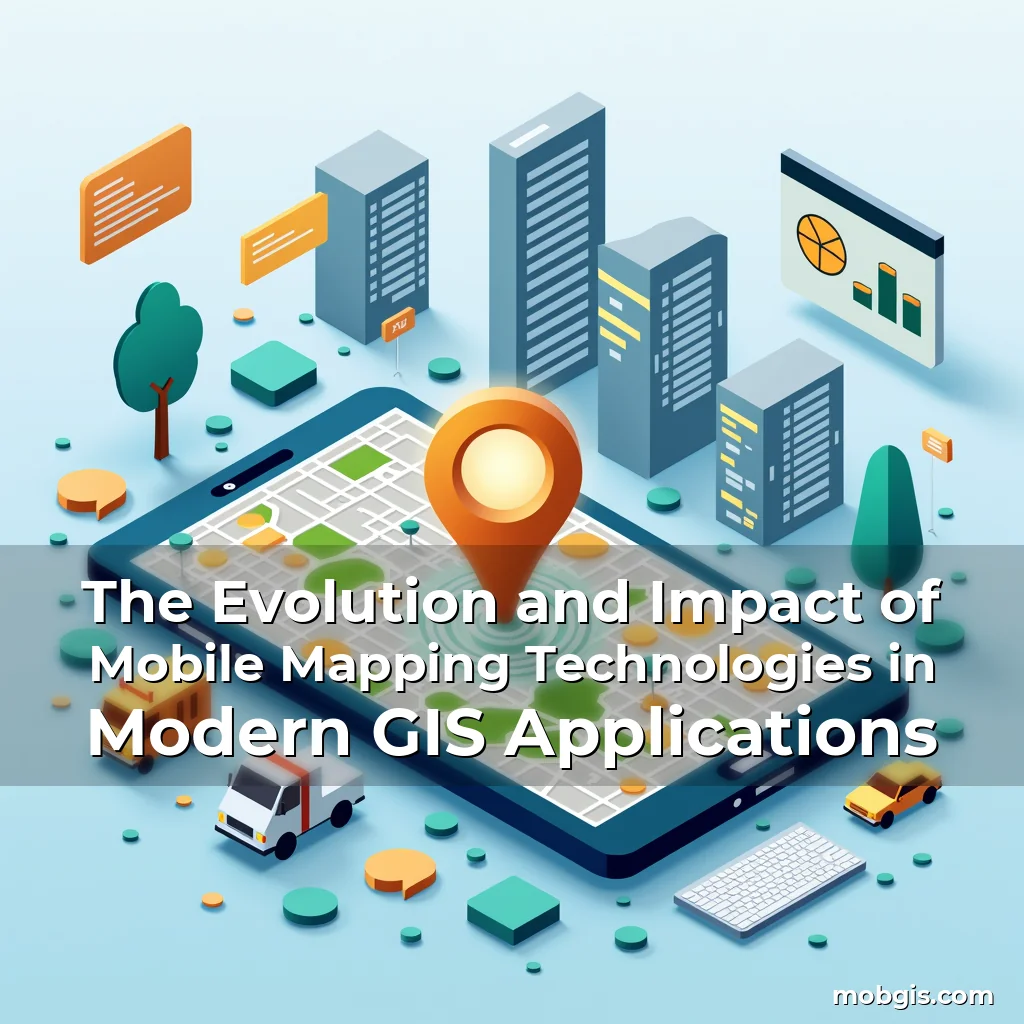
The Evolution and Impact of Mobile Mapping Technologies in Modern GIS Applications
In an era where location data is as essential as electricity, mobile mapping has emerged as a transformative force within Geographic Information Systems (GIS). By integrating GPS technology with portable devices such as smartphones and tablets, professionals across industries now have access to real-time spatial information that was once confined to desktop environments.
This shift toward mobility has redefined how we collect, analyze, and visualize geospatial data. From urban planners optimizing infrastructure layouts to field workers conducting environmental assessments, the implications are vast and continuously expanding.
Understanding the Foundations of Mobile Mapping
At its core, mobile mapping relies on the convergence of several key technologies. These include Global Positioning System (GPS) receivers, digital cameras, LiDAR sensors, and advanced software platforms designed for data collection and visualization.
These components work together seamlessly to capture high-resolution imagery and precise geographic coordinates while users move through their environment. The result is dynamic datasets that can be accessed instantly from virtually anywhere.
A crucial element enabling this functionality is the integration of cellular networks and Wi-Fi connectivity. This allows for continuous communication between the device and cloud-based storage solutions, ensuring data remains accessible even when offline.
Furthermore, modern mobile mapping applications leverage augmented reality features to overlay digital information onto physical surroundings, enhancing situational awareness during operations.
- GPS Accuracy: Modern smartphones typically offer accuracy within meters, sufficient for most fieldwork tasks but sometimes requiring correction services for higher precision.
- Data Collection Efficiency: With built-in sensors and automated processes, data gathering becomes significantly faster compared to traditional survey methods which often require manual input.
Applications Across Industries: Real-World Case Studies
The versatility of mobile mapping extends beyond theoretical discussions; it has found practical implementation across diverse sectors including construction, agriculture, emergency response, and transportation management.
For instance, in construction projects, engineers use mobile mapping tools to monitor site progress against blueprints in real time. This enables timely adjustments and reduces costly errors associated with outdated documentation.
Similarly, agricultural practitioners benefit immensely by using drones equipped with multispectral imaging capabilities combined with ground-level mobile units. Such systems provide farmers with detailed soil analysis reports and crop health indicators, guiding smarter irrigation practices and fertilization strategies.
During natural disasters or public emergencies, first responders utilize mobile mapping apps integrated with social media feeds and satellite images to navigate affected areas safely and efficiently allocate resources accordingly.
The transportation industry also leverages these technologies extensively. Fleet managers track vehicle locations dynamically, optimize delivery routes based on current traffic conditions, and predict maintenance needs before breakdowns occur.
Statistical Insights from Industry Reports
According to recent market research conducted by Grand View Research Inc., the global mobile mapping market size reached USD 689 million in 2022 and is projected to grow at a compound annual growth rate (CAGR) of approximately 14% over the next decade.
This rapid expansion indicates growing recognition among businesses regarding the value proposition offered by mobile mapping solutions. As competition intensifies within various markets, organizations increasingly prioritize adopting innovative technological approaches that enhance operational efficiencies.
Furthermore, a study published in Urban Planning Journal highlighted that cities employing smart city initiatives incorporating mobile mapping experienced up to 25% improvement in service delivery times related to waste collection, road repairs, and utility inspections.
Sector-specific analyses reveal additional benefits; logistics companies reported reductions in fuel consumption averaging around 18%, attributed primarily to optimized routing algorithms powered by live map updates.
Challenges Faced in Implementing Mobile Mapping Solutions
Despite numerous advantages, implementing effective mobile mapping frameworks presents certain challenges that must be addressed systematically.
One significant hurdle involves maintaining consistent internet connectivity especially in remote regions or disaster-stricken zones where conventional network infrastructures may be compromised or non-existent.
To mitigate these issues, developers design robust caching mechanisms allowing temporary data storage until stable connections become available again later.
Additionally, ensuring interoperability between different hardware models and software platforms poses another challenge due to varying technical specifications across manufacturers’ products.
Standardizing protocols facilitates smoother exchanges between disparate systems thereby improving overall usability without sacrificing performance metrics.
- Privacy Concerns: Continuous tracking capabilities raise ethical questions concerning personal privacy rights particularly when sensitive geographical data gets mishandled inadvertently.
- Data Security Risks: Storing voluminous amounts of geo-referenced information online exposes organizations to potential cyber threats necessitating stringent encryption standards alongside regular security audits.
Emerging Trends Shaping Future Developments
The landscape surrounding mobile mapping continues evolving rapidly driven largely by advancements in artificial intelligence (AI), Internet of Things (IoT), and edge computing paradigms.
Integrating AI algorithms enhances predictive analytics abilities allowing users anticipate future scenarios accurately thus aiding decision-making processes effectively.
Edge computing brings computational power closer to end-users reducing latency concerns traditionally faced when transmitting massive volumes of sensor-generated data over long distances via centralized servers.
IoT devices contribute further by embedding sensing capabilities within everyday objects creating ubiquitous sources of real-time spatial information automatically captured without direct human intervention required.
Collectively, these innovations promise to redefine what’s possible today setting new benchmarks towards achieving fully autonomous navigation systems capable operating independently under complex environmental conditions.
Educational Resources and Community Engagement Opportunities
Given its complexity nature understanding full spectrum of opportunities afforded by mobile mapping demands ongoing education efforts both formalized academic programs and informal learning avenues alike.
Prominent institutions worldwide offer specialized courses covering aspects ranging from basic principles underlying spatial representation techniques right through sophisticated modeling methodologies applicable across varied domains.
Online communities dedicated exclusively exploring nuances involved developing custom-built applications serve equally vital roles providing peer support troubleshooting assistance sharing best practice recommendations regularly updated knowledge bases containing latest industry trends relevant topics.
Moreover participation events organized annually foster collaborative spirit amongst enthusiasts professionals aiming advancing collective understanding pushing boundaries existing capabilities continually refining emerging technologies.
Future Outlook and Strategic Considerations
Looking ahead, strategic investments focused upon nurturing innovation ecosystems will prove instrumental determining success trajectories pursued entities venturing space.
Organizations need adopt proactive stances embracing change rather than resisting forces shaping tomorrow’s realities preparing themselves adequately face inevitable disruptions brought forth technological revolutions unfolding presently.
By cultivating partnerships spanning academia private sector governmental bodies inclusive approach ensures holistic development sustainable growth aligned common goals promoting broader societal welfare enhanced quality life experiences delivered individuals everywhere globally.
Ultimately commitment staying informed adaptable equips stakeholders necessary resilience thrive amidst uncertainty prevailing uncertain times ahead ensuring continued relevance within ever-evolving digital transformation journey underway currently.
Conclusion
Mobile mapping stands out as one of most influential innovations reshaping contemporary GIS practices offering unprecedented levels convenience accessibility depth previously unimaginable scope.
Its impact spans wide array fields demonstrating remarkable adaptability responding diverse needs encountered daily lives people planet. Embracing this powerful tool requires conscious effort continual engagement fostering deeper appreciation potentialities inherent within domain.

news is a contributor at MobGIS. We are committed to providing well-researched, accurate, and valuable content to our readers.