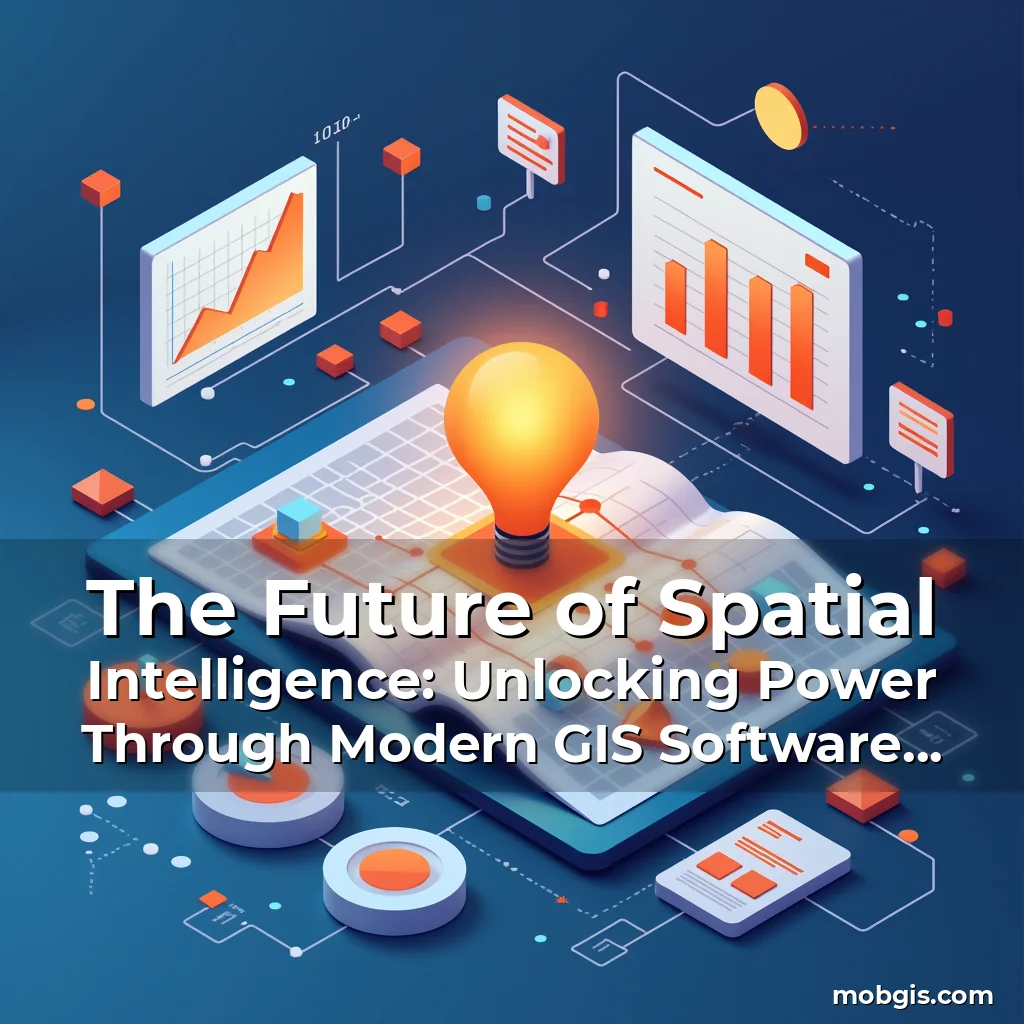
The Future of Spatial Intelligence: Unlocking Power Through Modern GIS Software Solutions
In an era where spatial data shapes decisions across industries—from urban development to environmental science—modern GIS software has become indispensable. These advanced tools empower users to visualize, analyze, and interpret geographic information in ways that were once unimaginable.
From mapping natural disasters to optimizing supply chains, GIS software is revolutionizing how we interact with our physical world. Its integration with emerging technologies ensures continued relevance and innovation within global markets.
Understanding the Core Functionality of GIS Software
GIS software serves as a digital platform for capturing, storing, analyzing, and displaying geospatial data. At its heart lies the ability to overlay various layers of spatial information onto maps, enabling complex analyses.
This layering capability allows professionals to uncover patterns, correlations, and trends hidden within geographical datasets. Whether assessing land use changes or predicting population growth, these capabilities drive informed decision-making processes.
- Data Integration: Combines disparate sources such as satellite imagery, GPS coordinates, and demographic surveys into cohesive visualizations.
- Spatial Analysis: Utilizes algorithms to identify relationships between different location-based variables, revealing critical insights otherwise unnoticed.
Evolution of GIS Technology Over Time
Originally developed in the mid-20th century for military applications, GIS technology has evolved dramatically over decades. Early systems relied heavily on manual inputs and static paper maps for representation.
With advancements in computing power and digital storage, GIS transitioned from simple desktop tools to sophisticated platforms capable of real-time analysis. This shift marked a turning point in how organizations leverage spatial intelligence today.
Technological Milestones Shaping GIS Development
Several key technological breakthroughs have propelled GIS forward. The introduction of Geographic Information Systems (GIS) in the 1960s by Roger Tomlinson laid foundational principles still used globally today.
Later developments such as web-based GIS solutions in the late 1990s expanded access beyond specialized labs. More recently, cloud computing and AI-driven analytics have redefined what’s possible within modern GIS environments.
Diverse Applications Across Industries
The versatility of GIS software extends far beyond traditional cartography. In healthcare, it aids epidemiologists in tracking disease outbreaks through spatial clustering techniques.
Urban planners utilize GIS to model traffic flow scenarios before implementing infrastructure projects. Real estate agents also benefit from property valuation models based on proximity factors and zoning regulations.
- Environmental Monitoring: Tracks deforestation rates, pollution levels, and climate change indicators using remote sensing data.
- Disaster Response: Enables emergency services to coordinate relief efforts efficiently during crises like hurricanes or wildfires.
Selecting the Right GIS Software for Your Needs
Evaluating potential GIS solutions requires careful consideration of organizational requirements and technical specifications. Factors include scalability, compatibility with existing databases, and user interface design.
Open-source options often provide cost-effective alternatives without compromising functionality. However, enterprise-grade packages may offer enhanced security features crucial for handling sensitive geospatial data.
Comparative Overview of Leading GIS Platforms
Among commercial offerings, ESRI ArcGIS remains a dominant force due to its extensive feature set and robust API ecosystem. QGIS provides powerful open-source capabilities ideal for academic research institutions.
Google Earth Engine offers unique advantages for researchers working with massive planetary-scale datasets while Mapbox excels at creating interactive web maps tailored specifically for mobile applications.
Integration With Emerging Technologies
Modern GIS software increasingly integrates with cutting-edge innovations like artificial intelligence and Internet of Things devices. This synergy enhances predictive modeling accuracy significantly.
Machine learning algorithms now assist in automating tasks such as image classification from aerial photographs or detecting anomalies in sensor networks deployed across cities.
AI-Powered Geospatial Analytics
Artificial intelligence transforms raw geospatial data into actionable intelligence through pattern recognition capabilities. For instance, deep learning models can predict flood risks based on historical weather records combined with topographical features.
These intelligent systems continuously learn from new data inputs, improving their forecasting abilities over time. Such advancements enable proactive measures rather than reactive responses when dealing with environmental threats.
Challenges Facing Contemporary GIS Implementations
Despite numerous benefits, adopting GIS software presents several challenges including high initial investment costs and ongoing maintenance expenses. Organizations must weigh these financial considerations against long-term gains.
Data privacy concerns also arise particularly when dealing with personally identifiable information collected via crowdsourced methods or wearable device telemetry.
- Interoperability Issues: Different GIS platforms sometimes struggle to share standardized formats which hampers collaborative workflows.
- User Training Requirements: Effective utilization demands skilled personnel who understand both technical aspects and domain-specific knowledge relevant to each application area.
Trends Shaping Tomorrow’s GIS Landscape
Ongoing improvements in computational processing speeds along with increased availability of big data resources are pushing boundaries in what GIS can achieve. Expect further convergence between virtual reality interfaces and spatial visualization tools soon.
As augmented reality becomes more mainstream, expect to see immersive map experiences allowing users to explore locations virtually prior to visiting them physically.
Conclusion
GIS software continues evolving rapidly driven by advances in underlying technologies and growing demand across diverse sectors. Its impact spans everything from public safety initiatives to private sector operations worldwide.
To stay ahead in this dynamic field, invest in continuous education regarding latest developments in geospatial sciences while maintaining awareness about ethical implications surrounding data collection practices.
“`html
The Future of Spatial Intelligence: Unlocking Power Through Modern GIS Software Solutions
In an era where spatial data shapes decisions across industries—from urban development to environmental science—modern GIS software has become indispensable. These advanced tools empower users to visualize, analyze, and interpret geographic information in ways that were once unimaginable.
From mapping natural disasters to optimizing supply chains, GIS software is revolutionizing how we interact with our physical world. Its integration with emerging technologies ensures continued relevance and innovation within global markets.
Understanding the Core Functionality of GIS Software
GIS software serves as a digital platform for capturing, storing, analyzing, and displaying geospatial data. At its heart lies the ability to overlay various layers of spatial information onto maps, enabling complex analyses.
This layering capability allows professionals to uncover patterns, correlations, and trends hidden within geographical datasets. Whether assessing land use changes or predicting population growth, these capabilities drive informed decision-making processes.
- Data Integration: Combines disparate sources such as satellite imagery, GPS coordinates, and demographic surveys into cohesive visualizations.
- Spatial Analysis: Utilizes algorithms to identify relationships between different location-based variables, revealing critical insights otherwise unnoticed.
Evolution of GIS Technology Over Time
Originally developed in the mid-20th century for military applications, GIS technology has evolved dramatically over decades. Early systems relied heavily on manual inputs and static paper maps for representation.
With advancements in computing power and digital storage, GIS transitioned from simple desktop tools to sophisticated platforms capable of real-time analysis. This shift marked a turning point in how organizations leverage spatial intelligence today.
Technological Milestones Shaping GIS Development
Several key technological breakthroughs have propelled GIS forward. The introduction of Geographic Information Systems (GIS) in the 1960s by Roger Tomlinson laid foundational principles still used globally today.
Later developments such as web-based GIS solutions in the late 1990s expanded access beyond specialized labs. More recently, cloud computing and AI-driven analytics have redefined what’s possible within modern GIS environments.
Diverse Applications Across Industries
The versatility of GIS software extends far beyond traditional cartography. In healthcare, it aids epidemiologists in tracking disease outbreaks through spatial clustering techniques.
Urban planners utilize GIS to model traffic flow scenarios before implementing infrastructure projects. Real estate agents also benefit from property valuation models based on proximity factors and zoning regulations.
- Environmental Monitoring: Tracks deforestation rates, pollution levels, and climate change indicators using remote sensing data.
- Disaster Response: Enables emergency services to coordinate relief efforts efficiently during crises like hurricanes or wildfires.
Selecting the Right GIS Software for Your Needs
Evaluating potential GIS solutions requires careful consideration of organizational requirements and technical specifications. Factors include scalability, compatibility with existing databases, and user interface design.
Open-source options often provide cost-effective alternatives without compromising functionality. However, enterprise-grade packages may offer enhanced security features crucial for handling sensitive geospatial data.
Comparative Overview of Leading GIS Platforms
Among commercial offerings, ESRI ArcGIS remains a dominant force due to its extensive feature set and robust API ecosystem. QGIS provides powerful open-source capabilities ideal for academic research institutions.
Google Earth Engine offers unique advantages for researchers working with massive planetary-scale datasets while Mapbox excels at creating interactive web maps tailored specifically for mobile applications.
Integration With Emerging Technologies
Modern GIS software increasingly integrates with cutting-edge innovations like artificial intelligence and Internet of Things devices. This synergy enhances predictive modeling accuracy significantly.
Machine learning algorithms now assist in automating tasks such as image classification from aerial photographs or detecting anomalies in sensor networks deployed across cities.
AI-Powered Geospatial Analytics
Artificial intelligence transforms raw geospatial data into actionable intelligence through pattern recognition capabilities. For instance, deep learning models can predict flood risks based on historical weather records combined with topographical features.
These intelligent systems continuously learn from new data inputs, improving their forecasting abilities over time. Such advancements enable proactive measures rather than reactive responses when dealing with environmental threats.
Challenges Facing Contemporary GIS Implementations
Despite numerous benefits, adopting GIS software presents several challenges including high initial investment costs and ongoing maintenance expenses. Organizations must weigh these financial considerations against long-term gains.
Data privacy concerns also arise particularly when dealing with personally identifiable information collected via crowdsourced methods or wearable device telemetry.
- Interoperability Issues: Different GIS platforms sometimes struggle to share standardized formats which hampers collaborative workflows.
- User Training Requirements: Effective utilization demands skilled personnel who understand both technical aspects and domain-specific knowledge relevant to each application area.
Trends Shaping Tomorrow’s GIS Landscape
Ongoing improvements in computational processing speeds along with increased availability of big data resources are pushing boundaries in what GIS can achieve. Expect further convergence between virtual reality interfaces and spatial visualization tools soon.
As augmented reality becomes more mainstream, expect to see immersive map experiences allowing users to explore locations virtually prior to visiting them physically.
Conclusion
GIS software continues evolving rapidly driven by advances in underlying technologies and growing demand across diverse sectors. Its impact spans everything from public safety initiatives to private sector operations worldwide.
To stay ahead in this dynamic field, invest in continuous education regarding latest developments in geospatial sciences while maintaining awareness about ethical implications surrounding data collection practices.
“`

news is a contributor at MobGIS. We are committed to providing well-researched, accurate, and valuable content to our readers.