The Origins of Cartography
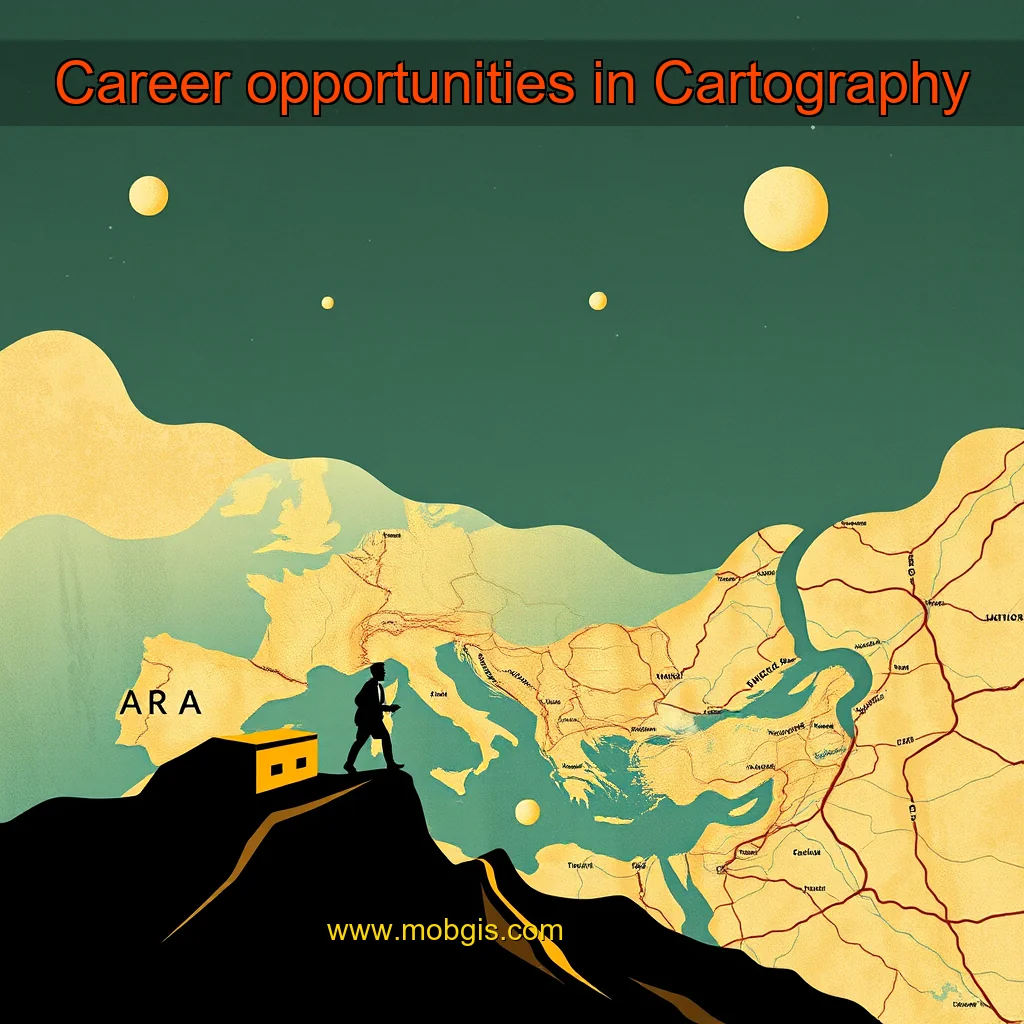
Cartography, the art and science of map-making, has a rich and diverse history that spans thousands of years. From ancient civilizations to modern-day technologies, cartography has evolved significantly over time, influenced by various factors such as technological advancements, cultural exchange, and societal needs.
Early Cartography
The Role of Cartographers in Society
Cartographers have always played a vital role in shaping our understanding of the world. From navigation and exploration to urban planning and environmental monitoring, cartographers have contributed significantly to various fields.
Critical Cartography
They use various techniques to convey information effectively and aesthetically.
The Role of Cartographers in Modern Society
Cartographers play a vital role in modern society, contributing to various fields such as urban planning, environmental conservation, and emergency response. Their work has a direct impact on decision-making processes, policy development, and public awareness.
Key Responsibilities of Cartographers
The Importance of Cartographic Skills
Cartographers require a range of technical skills, including:
The Art of Map Rhetoric and Representation
Cartographers use various techniques to convey information effectively and aesthetically.
GIS and Cartography in the Modern Era
In the modern era, cartography has evolved significantly, driven by advances in technology and the increasing availability of data. The field has become more specialized, with various institutions and organizations employing cartographers to meet their specific needs.
Private Sector
Private companies, such as Google, Apple, and Esri, have become major players in the field of cartography. They invest heavily in research and development, creating innovative mapping technologies that are used in a wide range of applications, from navigation and logistics to urban planning and environmental monitoring. Key features of private sector cartography include: + High-resolution mapping technologies + Integration with other data sources, such as social media and sensor data + Use of cloud-based platforms for data storage and analysis + Development of specialized mapping tools for specific industries, such as aviation and maritime
Government and NGOs
Government agencies and non-governmental organizations (NGOs) also employ cartographers to support their work. These organizations often have specific needs, such as mapping disaster zones, tracking climate change, or monitoring public health.
The writer is Architect, Cartographer and Director at HOSMAC.