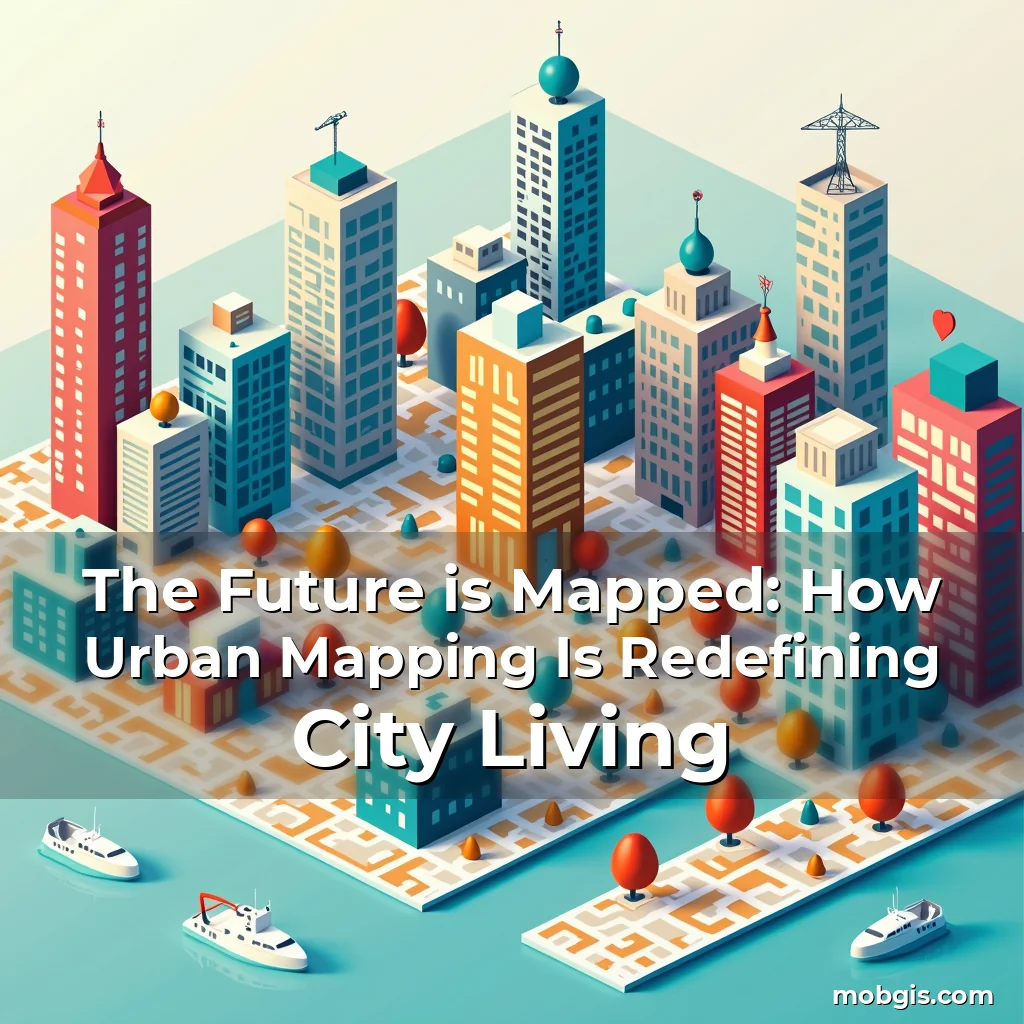
The Future is Mapped: How Urban Mapping Is Redefining City Living
In an era where cities are growing faster than ever before, urban mapping has emerged as a critical tool for understanding and managing our increasingly complex environments. This technology isn’t just about creating pretty maps—it’s about transforming how we interact with the spaces we call home.
From real-time traffic monitoring to disaster response planning, urban mapping is revolutionizing everything from daily commutes to emergency services. As populations surge toward metropolitan centers worldwide, the need for accurate, up-to-date spatial data has never been more urgent.
The Evolution of Urban Mapping Technologies
The journey of urban mapping began centuries ago with hand-drawn city plans that helped early civilizations organize their settlements. Today, this field has evolved dramatically through advancements in geospatial technologies and digital infrastructure.
Modern urban mapping now incorporates satellite imagery, LiDAR scanning, and GPS systems to create highly detailed three-dimensional models of cities. These tools allow planners to visualize not only current conditions but also potential future scenarios with remarkable precision.
One of the most significant shifts came with the rise of Geographic Information Systems (GIS) in the late 20th century. GIS enables analysts to layer various types of spatial data—such as population density, transportation networks, and environmental factors—to make informed decisions about urban development.
- Satellite Imagery: Provides high-resolution images covering vast areas at regular intervals, crucial for tracking changes over time.
- LiDAR Technology: Uses laser pulses to measure distances accurately, allowing for precise topographical mapping even under dense foliage.
Recent developments have introduced drone-based mapping solutions that offer flexibility and cost-effectiveness compared to traditional aerial surveys. Drones equipped with advanced sensors can capture detailed data without disrupting urban life.
As these technologies continue to advance, they’re enabling us to tackle challenges such as climate change adaptation and sustainable urban growth with unprecedented accuracy and efficiency.
Urban Mapping in Smart Cities Initiatives
Smart cities rely heavily on robust urban mapping frameworks to optimize resource allocation and enhance quality of life for residents. By integrating real-time data collection with predictive analytics, municipalities can respond proactively to emerging issues.
This integration allows for dynamic adjustments in public services—from adjusting street lighting based on pedestrian activity patterns to optimizing waste management routes using GPS-tracked bins. The result is a more efficient use of resources and reduced operational costs.
Data Integration Challenges in Smart Cities
Despite its benefits, implementing smart city initiatives requires overcoming several technical hurdles related to data integration. Different departments often maintain separate databases that lack interoperability standards, making unified analysis difficult.
A recent study by the International Telecommunication Union found that approximately 68% of municipal governments struggle with siloed data systems when trying to implement integrated urban mapping platforms. Addressing this issue demands standardized protocols across all sectors involved in urban governance.
Moreover, ensuring cybersecurity measures protect sensitive location data becomes essential as more devices become interconnected within the urban fabric. Without adequate safeguards against cyber threats, the very systems designed to benefit citizens could be exploited maliciously.
Applications of Urban Mapping Across Industries
Urban mapping finds applications beyond government planning; private sector industries leverage it extensively for strategic decision-making. Real estate developers use it to identify prime locations for new constructions based on demographic trends and infrastructure availability.
Retailers employ heat map analyses derived from urban mapping datasets to determine optimal store placements and inventory distributions according to foot traffic patterns observed during different times of day.
Transportation companies utilize route optimization algorithms powered by urban mapping data to reduce fuel consumption and vehicle maintenance expenses significantly. For example, Uber uses this information to predict ride demand hotspots accurately.
Healthcare providers integrate urban mapping with patient mobility data to better allocate medical facilities strategically located near densely populated areas experiencing higher health risks.
Emergency responders benefit greatly from having access to updated urban layouts which help them navigate quickly during crises situations requiring immediate attention such as natural disasters or terrorist attacks.
Economic Impacts of Effective Urban Planning Through Mapping
Cities that invest wisely in urban mapping see substantial economic returns through improved business environments and increased property values. Accurate land-use zoning supported by digital mapping reduces conflicts between commercial enterprises seeking space versus residential communities concerned about noise pollution.
Business districts benefiting from well-planned infrastructure experience greater footfall leading to enhanced revenue streams for local merchants operating within those zones. Additionally, investment confidence rises when investors perceive strong governance structures backed by reliable geographic intelligence.
An analysis conducted by McKinsey Global Institute estimated that intelligent urban planning techniques could boost productivity levels by up to 30% in developed economies by minimizing congestion-related delays affecting both goods transport logistics and employee commuting times.
Furthermore, properties situated along optimized transit corridors tend to appreciate in value due to increased accessibility features that attract buyers looking for convenience rather than isolation from major thoroughfares.
Environmental Sustainability Through Precision Urban Mapping
Precision urban mapping plays a vital role in promoting environmentally friendly practices within rapidly expanding metropolises. It helps track green spaces distribution patterns so authorities can prioritize conservation efforts effectively.
By analyzing historical deforestation rates alongside projected expansion plans for housing complexes, policymakers gain insight into where reforestation projects would yield highest ecological impact assessments. Such strategies contribute towards achieving carbon neutrality goals set forth globally by international agreements like Paris Accord.
Water management systems benefit immensely from hydrological modeling enabled through detailed terrain elevation measurements obtained via remote sensing technologies. Knowing exactly where water flows naturally assists engineers design stormwater drainage networks capable handling extreme weather events predicted by climate scientists.
Energy grid operators apply urban mapping results to forecast electricity demand fluctuations caused seasonal variations influencing air conditioning usage peaks among other variables impacting power generation requirements nationwide.
Community Engagement and Participatory Mapping Techniques
Engaging local communities through participatory mapping approaches fosters stronger civic involvement and ensures urban planning reflects actual needs of people living within targeted neighborhoods. Crowdsourcing platforms enable residents submit observations regarding sidewalk repairs required or missing bus stops locations urgently needing installation.
Digital twins—an exact virtual replica of physical cities—are being tested experimentally in select pilot programs aimed gathering input from diverse stakeholders including school children who might provide fresh perspectives overlooked otherwise adults focused solely upon infrastructural concerns.
Augmented reality interfaces let users walk through proposed construction sites virtually before any concrete work begins thereby increasing transparency around planned modifications potentially affecting nearby residences businesses affected directly by such transformations taking place locally.
These interactive methods empower individuals understand consequences associated with policy choices made collectively shaping future landscapes we’ll inhabit together soon enough regardless geographical origins initially separating us apart socially economically politically.
Ethical Considerations in Modern Urban Mapping Practices
With great technological advancement comes responsibility particularly concerning privacy rights impacted inevitably whenever collecting extensive personal movement records digitally recorded continuously nowadays everywhere thanks omnipresent surveillance capabilities embedded seamlessly modern gadgets appliances furniture fixtures etcetera.
Transparency about what kind information gets collected precisely how long retained securely stored protected appropriately against unauthorized access breaches constitutes fundamental ethical obligations borne upon organizations deploying these sophisticated monitoring apparatuses regularly now.
Public awareness campaigns educating populace regarding implications surrounding pervasive data harvesting activities ensure informed consent remains achievable goal rather mere illusion presented superficially sometimes misleadingly advertised products marketed supposedly beneficial society overall actually harming vulnerable segments disproportionately represented demographics.
Regulatory bodies must establish clear guidelines governing permissible scope extent duration storage sharing mechanisms involving personally identifiable location traces extracted automatically passively through mobile devices smartphones wearables IoT-enabled objects constantly transmitting positional updates implicitly without explicit opt-in permissions granted deliberately beforehand consciously knowingly.
Additionally, bias mitigation procedures should accompany algorithmic processes used interpreting massive volumes geolocation feeds processed machine learning engines trained discriminatory tendencies learned from skewed training samples reflecting systemic prejudices present historically existing societal hierarchies unfairly advantaged privileged groups systematically disadvantaged marginalized minorities struggling survive thrive equitably fairly.
Ensuring equitable access to mapping technologies prevents further marginalization of low-income communities who may lack necessary resources participate fully benefitting equally from innovations intended universally applicable solutions addressing common human problems faced similarly across globe irrespective cultural differences linguistic barriers socioeconomic statuses.
Future Trends Shaping the Landscape of Urban Mapping
Looking ahead, artificial intelligence will play an increasingly pivotal role in automating tasks previously requiring manual intervention such as identifying building footprints from satellite photographs categorizing land use types distinguishing natural features man-made constructs effortlessly discernible AI-powered software suites forthcoming years.
Quantum computing promises breakthroughs processing immense quantities spatial data sets exponentially faster conventional supercomputers currently employed crunching numbers generating insights driving smarter decisions impacting millions lives everyday directly indirectly.
Blockchain technology offers secure decentralized ledgers recording transactions verifying authenticity ownership claims related real estate parcels monitored tracked transparently immutably resistant tampering fraud attempts threatening integrity foundational assets constituting core components thriving urban ecosystems.
Mixed reality experiences merging augmented virtual elements physical surroundings facilitate immersive simulations testing hypothetical scenarios envisioning alternate futures evaluating trade-offs inherent every choice made shaping trajectories evolving cities tomorrow today.
Collaborative open-source platforms encourage global knowledge sharing accelerating innovation cycles reducing duplication efforts spent reinventing wheels unnecessarily hindering progress stalled redundant research pursuits duplicated across continents nations regions speaking languages dialects.
Lastly, quantum-enhanced navigation systems promise ultra-precise positioning accuracies surpassing limitations imposed classical GPS signals degraded atmospheric interference multipath errors causing occasional inaccuracies compromising reliability critical applications demanding utmost precision safety paramount concern lifesaving operations dependent absolute certainty location determinations.
Conclusion
Urban mapping stands at the forefront of transforming how we live, work, and connect within our cities. Its influence extends far beyond simple visual representations of geography, touching every aspect of modern urban existence.
To harness the full potential of urban mapping, stakeholders—including governments, technologists, and citizens—must collaborate closely. Only then can we build resilient, inclusive, and forward-thinking urban environments that meet the challenges of the 21st century head-on.
“`

news is a contributor at MobGIS. We are committed to providing well-researched, accurate, and valuable content to our readers.